Mimosa Tree Removal in San Jose, CA
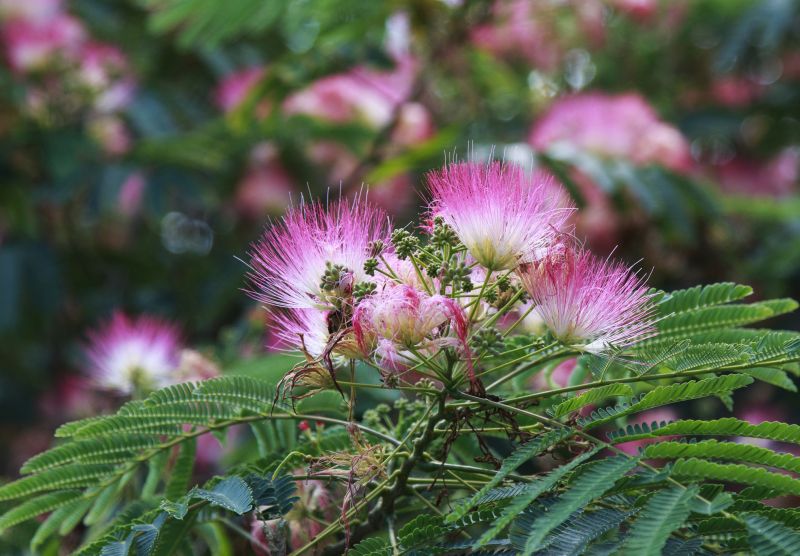
Mimosa tree removal services involve the careful and efficient elimination of mature mimosa trees from residential properties. This process is often requested when trees become hazardous due to disease, storm damage, or overgrowth, or when they interfere with construction, landscaping, or utility lines. Property owners typically seek guidance on how to safely remove these trees to prevent damage to nearby structures, ensure safety, and maintain the overall health and appearance of their landscape.
Before requesting mimosa tree removal, homeowners should consider factors such as the size and location of the tree, any potential impact on surrounding plants or structures, and whether permits are required for removal in their area. Understanding the scope of the project, including whether stump grinding or root removal is necessary, helps ensure the process is completed smoothly. Clear communication about these details can assist in planning a safe and effective removal tailored to the property's specific needs.
Many property owners in San Jose, CA look into Mimosa Tree Removal for repairs, replacements, upgrades, and appearance-related improvements.
Reasons For Mimosa Tree Removal
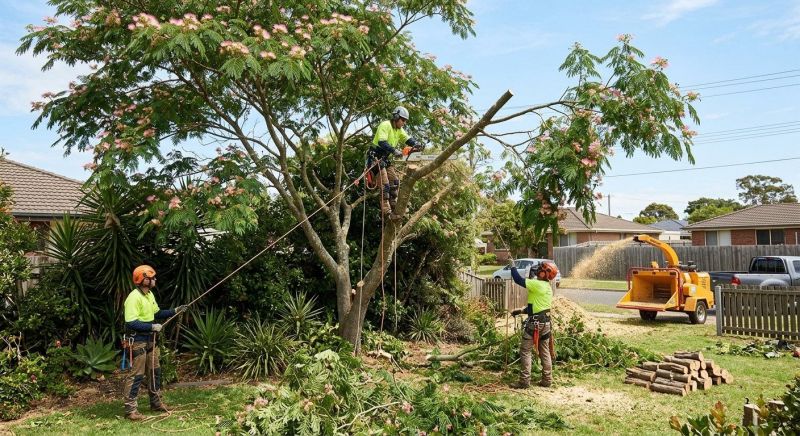
Removing a mimosa tree can prevent property damage and improve safety around your home.
Signs A Mimosa Tree Needs Care
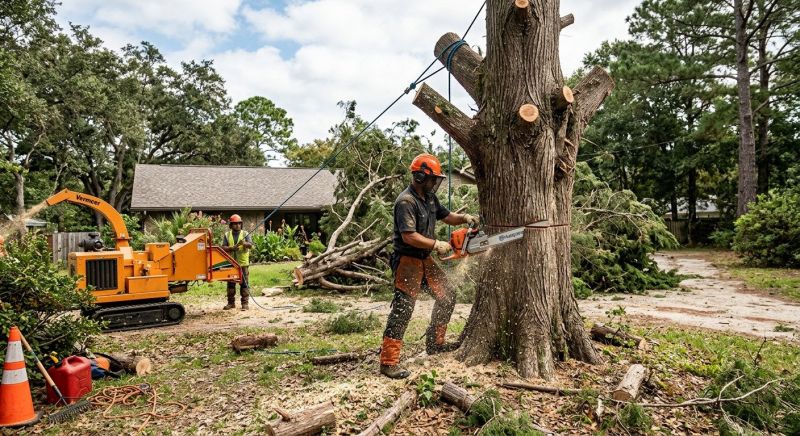
Weak branches, disease symptoms, or overgrowth are common indicators that removal or maintenance is necessary.
Proper Removal Techniques
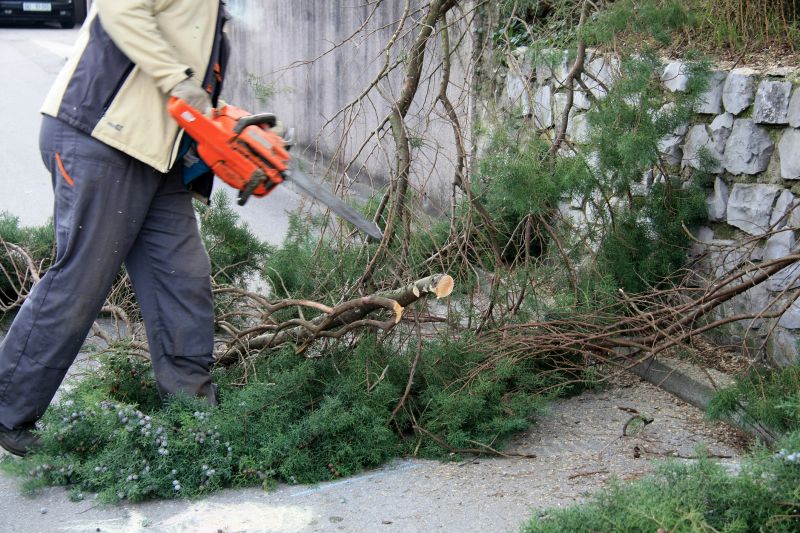
Safe and efficient mimosa tree removal involves careful planning to protect surrounding landscape and structures.
Mimosa Tree Removal in San Jose, CA
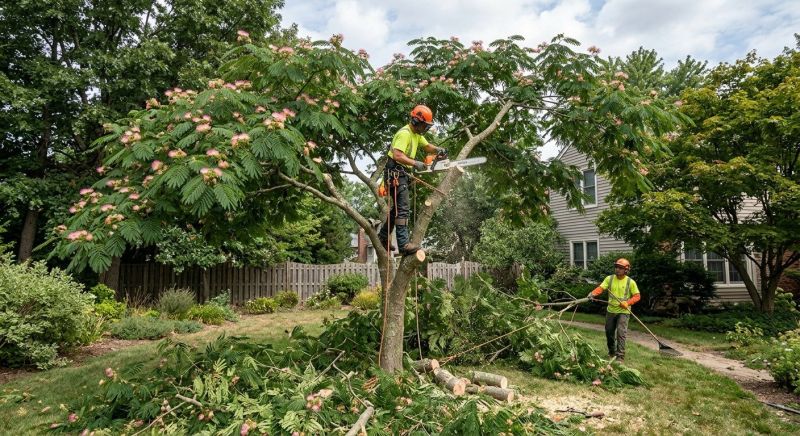
Mimosa tree removal services involve the careful and efficient elimination of mature mimosa trees from residential properties. This process is often requested when trees become hazardous due to disease, storm damage, or overgrowth, or when they interfere with construction, landscaping, or utility lines. Property owners typically seek guidance on how to safely remove these trees to prevent damage to nearby structures, ensure safety, and maintain the overall health and appearance of their landscape.
Before requesting mimosa tree removal, homeowners should consider factors such as the size and location of the tree, any potential impact on surrounding plants or structures, and whether permits are required for removal in their area. Understanding the scope of the project, including whether stump grinding or root removal is necessary, helps ensure the process is completed smoothly. Clear communication about these details can assist in planning a safe and effective removal tailored to the property's specific needs.
Many property owners in San Jose, CA look into Mimosa Tree Removal for repairs, replacements, upgrades, and appearance-related improvements.
Common Mimosa Tree Removal Jobs
Mimosa Tree Removal - Safe removal of mature mimosa trees to prevent property damage.
Emergency Tree Removal - Quick response for fallen or hazardous mimosa trees after storms.
Selective Tree Pruning - Trimming to improve tree health and reduce risk of failure.
Complete Tree Removal - Full removal of diseased or unwanted mimosa trees from the landscape.
Stump Grinding - Removing remaining stumps to clear space and prevent regrowth.
Tree Health Assessments - Evaluating tree condition to determine the need for removal or care.
Mimosa Tree Removal Questions
Why might someone choose to remove a Mimosa tree? Removal may be necessary if the tree is diseased, poses safety risks, or is causing property damage.
What are common signs a Mimosa tree needs removal? Signs include dead or dying branches, root problems, or overgrowth that affects nearby structures.
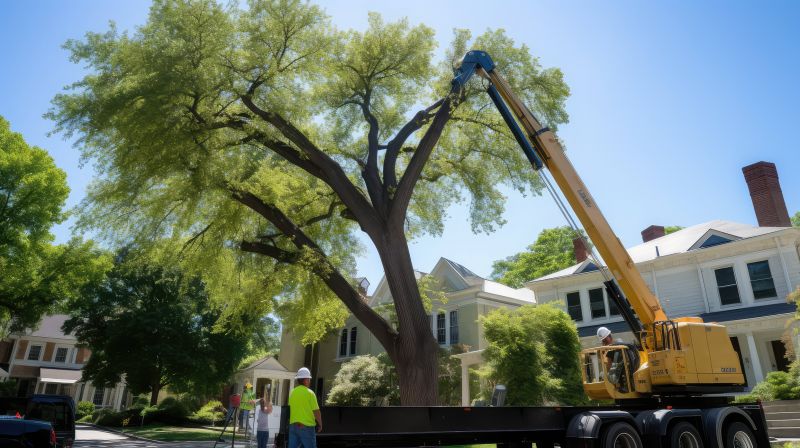
Does removing a Mimosa tree require special equipment? Yes, heavy-duty tools and equipment are typically used to safely cut and remove the tree and its roots.
What should property owners consider before removing a Mimosa tree? Consider the tree’s size, location, and potential impact on the landscape or nearby structures.
Request Mimosa Tree Removal in San Jose, CA
Use the quote form on this page to share the basics of your project and request more information for the type of work you need.