Dead Tree Removal in Doylestown, PA
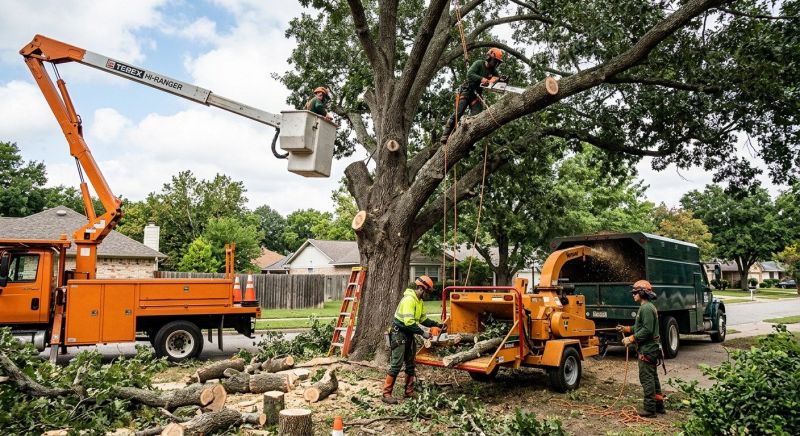
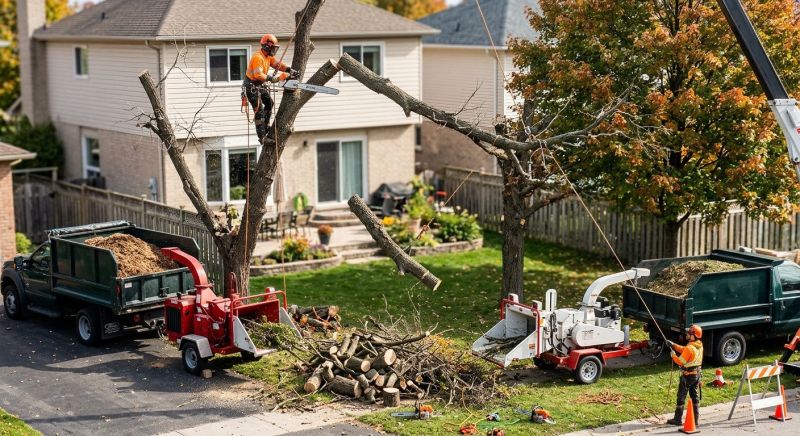
Dead tree removal services involve safely and efficiently removing trees that have become dead, decayed, or pose a risk to nearby structures and landscaping. These projects typically include assessing the condition of the tree, planning the safest removal method, and then cutting and removing the tree and its debris. Property owners often request this service when dead or dying trees threaten to fall, obstruct views, or interfere with property development, ensuring safety and maintaining the aesthetic of the landscape.
Before requesting dead tree removal, property owners should consider the location of the tree, its size, and proximity to buildings, power lines, or other trees. Understanding the extent of decay or damage can help determine the appropriate removal approach. Additionally, it’s helpful to know if the tree is on private property or near public areas, as this can influence the planning and execution of the removal process. Proper assessment ensures the work is completed safely and effectively.
Many property owners in Doylestown, PA look into Dead Tree Removal for repairs, replacements, upgrades, and appearance-related improvements.
Safety And Property Protection
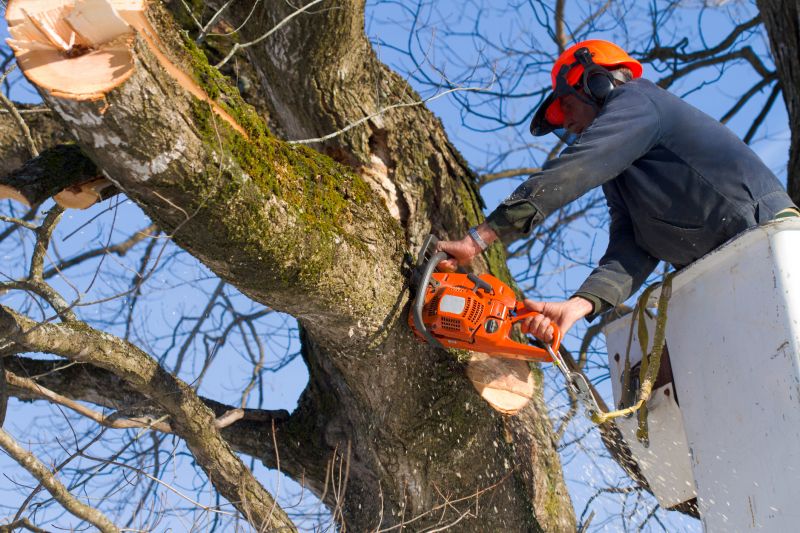
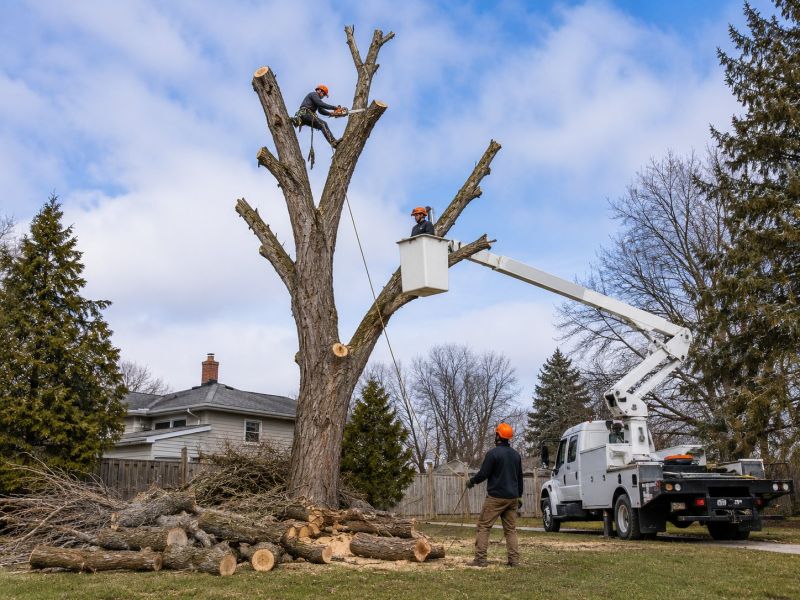
Removing dead trees helps prevent potential hazards to people and structures on your property.
Property Aesthetics And Value
Eliminating unsightly dead trees can enhance curb appeal and maintain property value.
Tree Health And Landscape Care
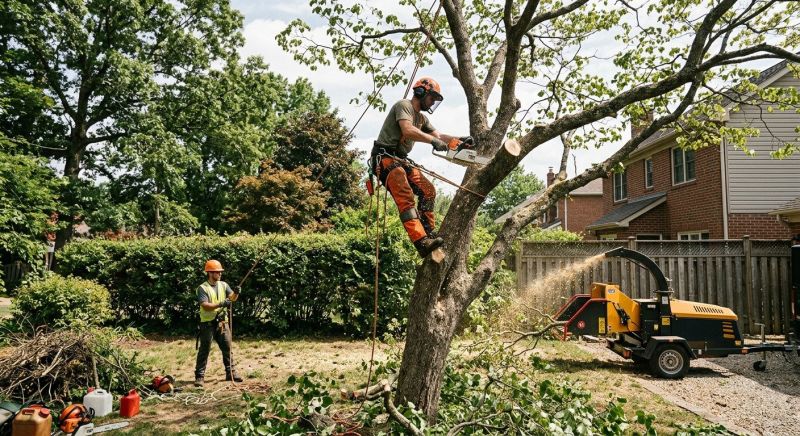
Dead tree removal supports the overall health of surrounding trees and landscape features in doylestown, pa.
Dead Tree Removal in Doylestown, PA
Dead tree removal services involve safely and efficiently removing trees that have become dead, decayed, or pose a risk to nearby structures and landscaping. These projects typically include assessing the condition of the tree, planning the safest removal method, and then cutting and removing the tree and its debris. Property owners often request this service when dead or dying trees threaten to fall, obstruct views, or interfere with property development, ensuring safety and maintaining the aesthetic of the landscape.
Before requesting dead tree removal, property owners should consider the location of the tree, its size, and proximity to buildings, power lines, or other trees. Understanding the extent of decay or damage can help determine the appropriate removal approach. Additionally, it’s helpful to know if the tree is on private property or near public areas, as this can influence the planning and execution of the removal process. Proper assessment ensures the work is completed safely and effectively.
Many property owners in Doylestown, PA look into Dead Tree Removal for repairs, replacements, upgrades, and appearance-related improvements.
Common Dead Tree Removal Jobs
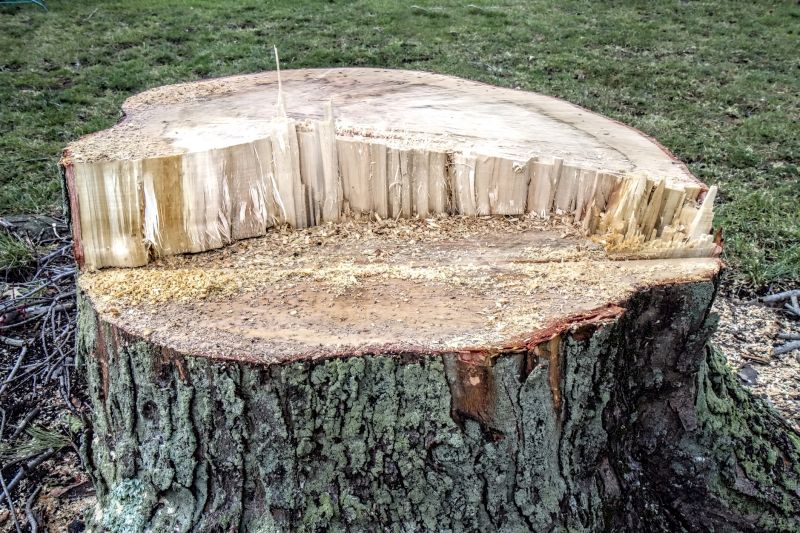
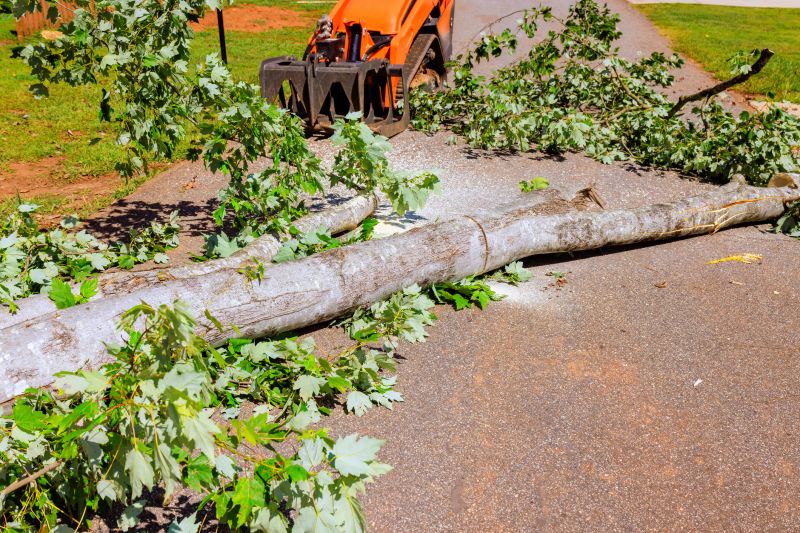
Dead Tree Removal - safely removes hazardous or dead trees to protect property and safety.
Stump Grinding - clears remaining stumps to prevent pest infestations and allow for new landscaping.
Emergency Tree Removal - addresses storm-damaged or fallen trees promptly to minimize property damage.
Selective Tree Removal - removes specific dead or problematic trees without affecting surrounding greenery.
Tree Crown Reduction - reduces the height or spread of dead or overgrown branches for better tree health.
Hazard Tree Assessment - evaluates dead or dying trees to determine the need for removal or pruning.
Dead Tree Removal Questions
Why remove dead trees from a property? Dead trees can pose safety risks, attract pests, and negatively impact the landscape's appearance.
What are common signs of a dead or dying tree? Signs include lack of leaves, brittle branches, and visible decay or fungi at the base.
Is dead tree removal necessary near structures? Yes, removing dead trees close to buildings helps prevent potential damage or injury.
What should property owners consider before removal? It's important to evaluate the tree's location, size, and any potential impact on surrounding landscape.
Request Dead Tree Removal in Doylestown, PA
Use the quote form on this page to share the basics of your project and request more information for the type of work you need.